
Muscle mass loss is no longer a concern limited to older adults or professional athletes. Today, people of all ages experience declining muscle strength, slower recovery, and reduced physical performance due to lifestyle changes, poor nutrition, aging, stress, and inactivity. If left unaddressed, muscle loss can impact metabolism, mobility, energy levels, and long-term health.
Understanding Muscle Mass Loss (Why It Happens)
Muscle mass loss occurs when the body breaks down muscle protein faster than it can rebuild it. This imbalance is known as negative muscle protein balance.
Common causes include:
- Aging (age-related muscle loss, or sarcopenia)
- Inadequate protein or amino acid intake
- Sedentary lifestyle
- Chronic stress and inflammation
- Poor sleep quality
- Intense exercise without proper recovery
- Illness or injury
Muscle tissue is metabolically active, meaning it plays a key role in energy balance, strength, and movement. Losing muscle affects much more than appearance—it affects overall health.
The Science of Muscle Protein Turnover
Muscle is constantly undergoing two opposing processes:
- Muscle protein synthesis (MPS) – building new muscle protein
- Muscle protein breakdown (MPB) – breaking down existing muscle protein
When synthesis exceeds breakdown, muscle is gained or preserved. When breakdown exceeds synthesis, muscle is lost.
This balance is strongly influenced by amino acid availability, especially essential amino acids.
What Are Amino Acids and Why Do They Matter?
Amino acids are the building blocks of protein. Every muscle fiber in the body is made from amino acids linked together.
There are:
- Non-essential amino acids (the body can make them)
- Essential amino acids (must come from diet or supplements)
Without enough essential amino acids, the body cannot efficiently build or repair muscle—even if total calorie intake is sufficient.
Why Muscle Loss Accelerates With Age
As we age, the body becomes less responsive to dietary protein. This phenomenon is known as anabolic resistance.
Key age-related changes include:
- Reduced amino acid absorption
- Lower muscle protein synthesis response
- Increased muscle protein breakdown
- Reduced physical activity
Because of this, older adults often need more targeted amino acid support, not just more food.
Advanced Amino Formula
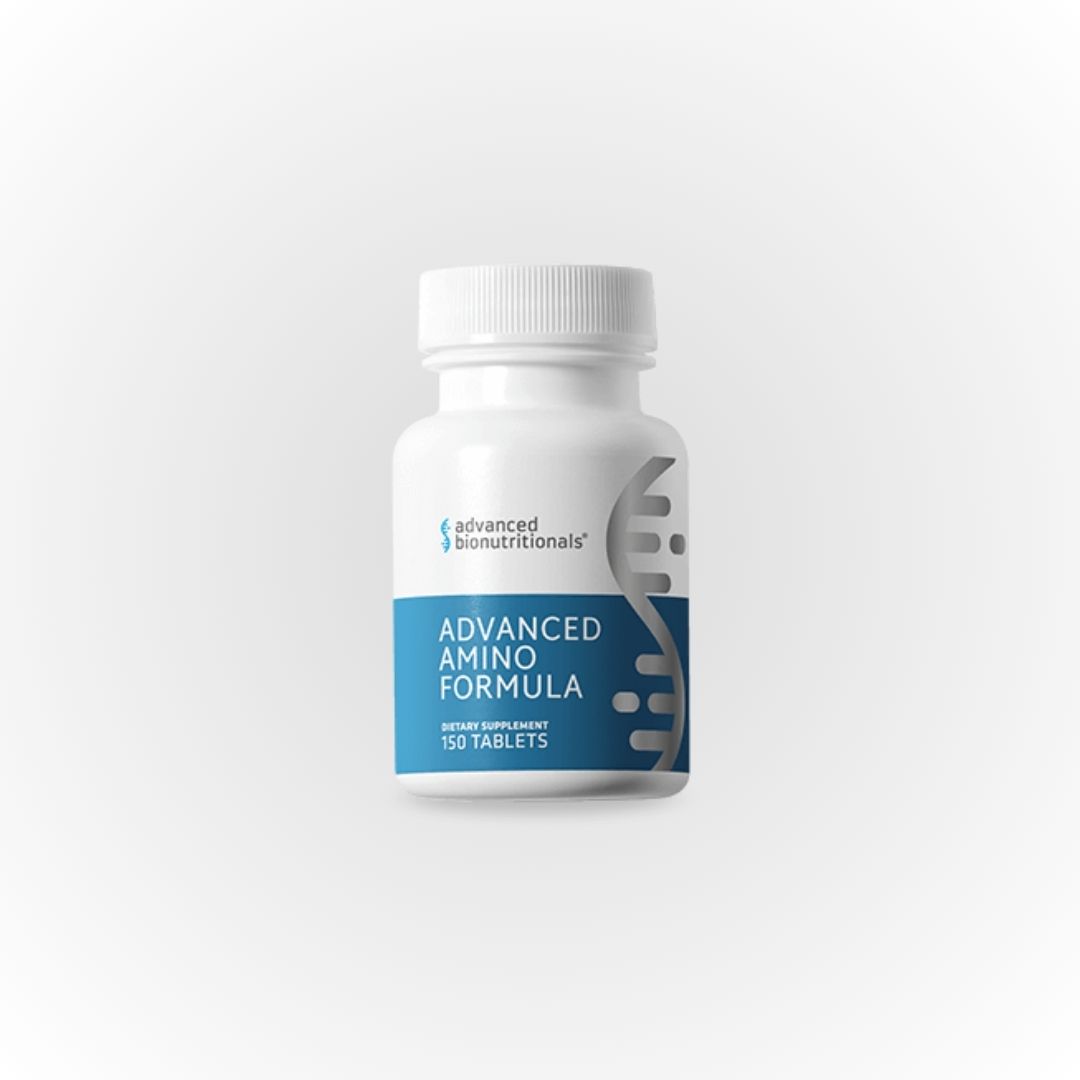
This combination of 8 essential amino acids gives your body the building blocks to make all the protein it needs so you can feel fitter, stronger, and younger.
Why Protein Alone Is Sometimes Not Enough
Protein foods and protein powders are commonly recommended for muscle health, but they are not always ideal for everyone.
Limitations of protein intake:
- Slow digestion
- Poor absorption in some individuals
- Digestive discomfort (bloating, heaviness)
- High calorie load
Amino acids, especially essential amino acids, bypass many of these limitations by providing direct muscle-ready building blocks.
How Amino Acids Prevent Muscle Mass Loss?
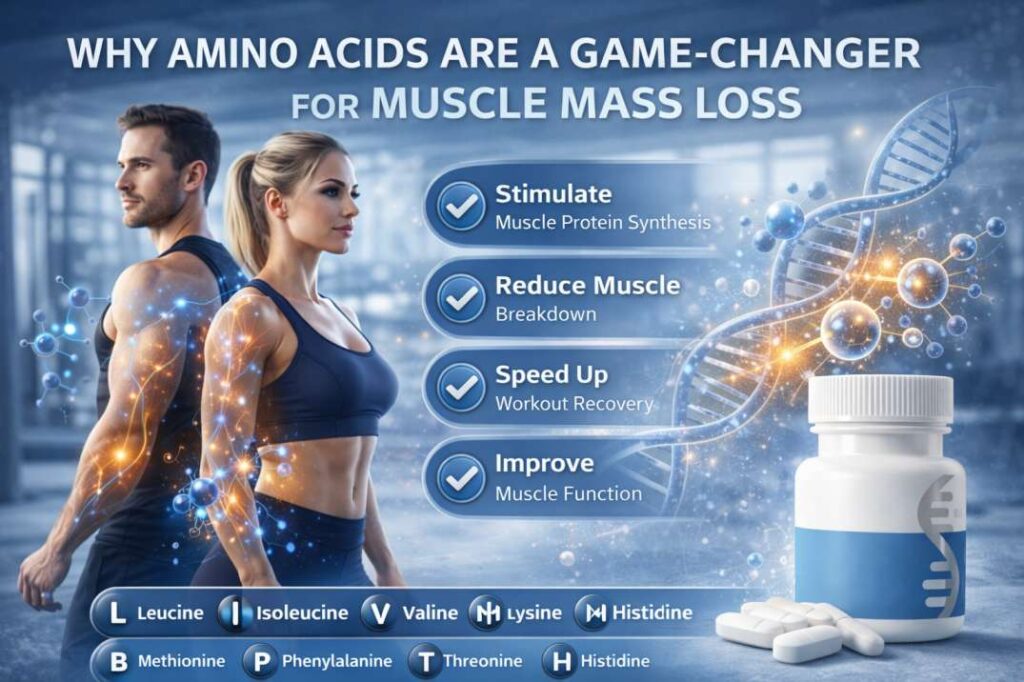
1. They Directly Stimulate Muscle Protein Synthesis
Essential amino acids activate key cellular pathways responsible for muscle building. One amino acid in particular—leucine—acts as a trigger that turns on muscle protein synthesis.
Without sufficient essential amino acids, muscle building signals remain weak, even with exercise.
2. They Reduce Muscle Protein Breakdown
Amino acids help slow the rate at which muscle tissue is broken down, especially during:
- Calorie restriction
- Illness or injury
- Aging
- Intense training periods
This preservation effect is critical for maintaining lean muscle mass over time.
3. They Improve Recovery After Physical Stress
Exercise creates microscopic damage to muscle fibers. Amino acids supply the raw materials needed to repair this damage, resulting in:
- Faster recovery
- Less soreness
- Improved strength adaptation
4. They Support Muscle Function and Endurance
Amino acids play a role in:
- Energy production
- Oxygen utilization
- Fatigue reduction
This helps muscles perform efficiently during both resistance and endurance activities.
Essential Amino Acids: The Real Game-Changers
There are eight essential amino acids, and all are required for complete muscle protein synthesis.
They include:
- Leucine
- Isoleucine
- Valine
- Lysine
- Methionine
- Phenylalanine
- Threonine
- Histidine
If even one essential amino acid is missing, muscle protein synthesis becomes inefficient.
Leucine: The Muscle-Building Signal
Leucine is the most studied amino acid in muscle science.
Why Leucine Matters:
- Activates muscle protein synthesis pathways
- Helps preserve muscle during aging and dieting
- Enhances the muscle response to resistance training
Leucine does not build muscle alone—but without it, muscle building stalls.
Amino Acids vs BCAAs: What Science Says?
BCAAs (branched-chain amino acids) include only three amino acids: leucine, isoleucine, and valine.
While helpful, BCAAs alone are incomplete.
Why essential amino acids are superior:
- Muscle building requires all essential amino acids
- BCAAs cannot fully stimulate muscle protein synthesis alone
- Complete amino acid profiles support better long-term results
Science consistently shows that complete essential amino acids outperform BCAAs for muscle preservation.
Amino Acids and Sarcopenia (Age-Related Muscle Loss)
Sarcopenia is the progressive loss of muscle mass and strength with age. Research shows that targeted amino acid intake can:
- Improve muscle protein synthesis in older adults
- Preserve strength and mobility
- Reduce risk of falls and frailty
This makes amino acids especially valuable for healthy aging.
Amino Acids for Active Individuals and Athletes
For physically active individuals, amino acids offer benefits beyond muscle size:
- Faster post-workout recovery
- Reduced muscle soreness
- Improved training consistency
- Support during intense training cycles
They are particularly useful during periods of high training volume or calorie restriction.
Best Time to Take Amino Acids for Muscle Protection
While total intake matters most, timing can enhance results.
Common effective times include:
- Morning (to reduce overnight muscle breakdown)
- Before workouts (to support performance)
- After workouts (to enhance recovery)
- Between meals (to maintain muscle protein balance)
Consistency is more important than perfect timing.
Are Amino Acids Safe for Long-Term Use?
Amino acids are naturally present in food and are generally safe when consumed within recommended amounts.
They are:
- Well tolerated
- Non-hormonal
- Non-habit forming
However, individuals with medical conditions should consult a healthcare professional before supplementation.
Advanced Amino Formula
This combination of 8 essential amino acids gives your body the building blocks to make all the protein it needs so you can feel fitter, stronger, and younger.
Muscle Loss Prevention Requires a Long-Term Strategy
Amino acids are powerful, but they work best as part of a complete approach that includes:
- Resistance training
- Adequate sleep
- Balanced nutrition
- Stress management
When combined with these factors, amino acids become a science-backed foundation for muscle health.
Why Amino Acids Are a Game-Changer?
Amino acids stand out because they:
- Directly stimulate muscle protein synthesis
- Reduce muscle breakdown
- Improve recovery and performance
- Support muscle health at any age
- Bypass many limitations of protein digestion
This makes them one of the most effective nutritional tools for preventing muscle mass loss.
Final Thoughts
Muscle mass loss is not inevitable—but it is preventable with the right nutritional strategy. Science clearly shows that amino acids play a central role in preserving muscle, improving recovery, and supporting physical performance.
Whether you are aging, training hard, recovering from inactivity, or simply trying to maintain strength, amino acids are a proven, science-backed solution worth considering.
FAQ – Frequently Asked Question/Answer
Because muscle building requires essential amino acids specifically, not just calories.
For muscle preservation and fast absorption, essential amino acids can be more efficient than whole protein.
Yes. Research shows they support muscle protein synthesis in older adults.
Many people notice improved recovery and strength within a few weeks of consistent use.
Yes. Amino acids support muscle health at all fitness levels.
Pingback: Advanced Amino vs Whey Protein for Muscle Growth -